


Dive into our insights for publishers & designers!


Date: 21/11/2025
How to Bring Board Games to China: Licensing, Localization, and Market Entry Strategies for Indie Publishers
For many indie publishers, the Chinese board game market represents both an exciting opportunity and a daunting unknown. It’s a region with a fast-growing community of hobby players, thousands of active board game cafés, and a crowdfunding environment capable of transforming a niche Western title into a breakout local success. Yet most small studios hesitate to enter China because the process feels opaque: a maze of cultural nuances, regulatory requirements, different play habits, and manufacturing considerations.
At Rawstone, we see this every day: brilliant games with strong Kickstarter or Gamefound performance that could flourish in China, held back not by quality but by uncertainty. And it’s exactly for these publishers (small teams, limited resources, and the need for a trustworthy partner) that our integrated model of localization, licensing support, and sustainable manufacturing exists.
In this article, we take a closer look at what it really means to “bring a board game to China” today, how to evaluate market fit, and how indie publishers can build a structured, low-risk strategy that opens new revenue streams while protecting the creative identity of their game.
Why China Is More Than Just a Manufacturing Hub
For years, Western publishers viewed China only through the lens of production: a place to print, not necessarily a place to publish. But this mindset overlooks what is now one of the most dynamic board game markets in the world. Modern Chinese players are highly informed, deeply community-driven, eager for Western titles, and increasingly supportive of crowdfunding campaigns.
For indie publishers, this creates a rare alignment: a large audience that loves board games and a proven distribution ecosystem that can sustain localized releases.
However, entering China successfully requires more than translation and shipping. It demands a strategic understanding of the local environment — from cultural expectations to market signals, from backer behavior to the logistics of integrating localization and manufacturing without fragmenting the supply chain.
This is why Rawstone’s one-stop model resonates strongly among small publishers: it transforms China from a “risky expansion” into an accessible, structured, and scalable growth path.
Localization as a Strategic Advantage, Not a Checklist
One misconception is that localization means simply converting text from English to Chinese. In reality, it is one of the determining factors of whether a game succeeds or quietly disappears in the market.
Chinese players value clarity, visual readability, and intuitive rules. Abstract concepts that work in English may lose impact when directly translated. Components need rethinking. Artwork must respect cultural norms. Even pacing and replayability influence expectations differently.
Professional localization is not an optional add-on — it is the foundation for market entry. A well-localized game signals respect for the audience and dramatically increases both campaign performance and word-of-mouth resonance. This is especially true for strategy-leaning titles, solo modes, or visually distinctive games, which Chinese players consistently rank among their favorites.
But localization becomes truly valuable only when it is fully integrated with production, so the adapted texts, revised layouts, and updated components flow directly into prepress and manufacturing, without additional intermediaries or delays.
Licensing vs. Direct Publishing: Choosing the Right Path for Your Studio
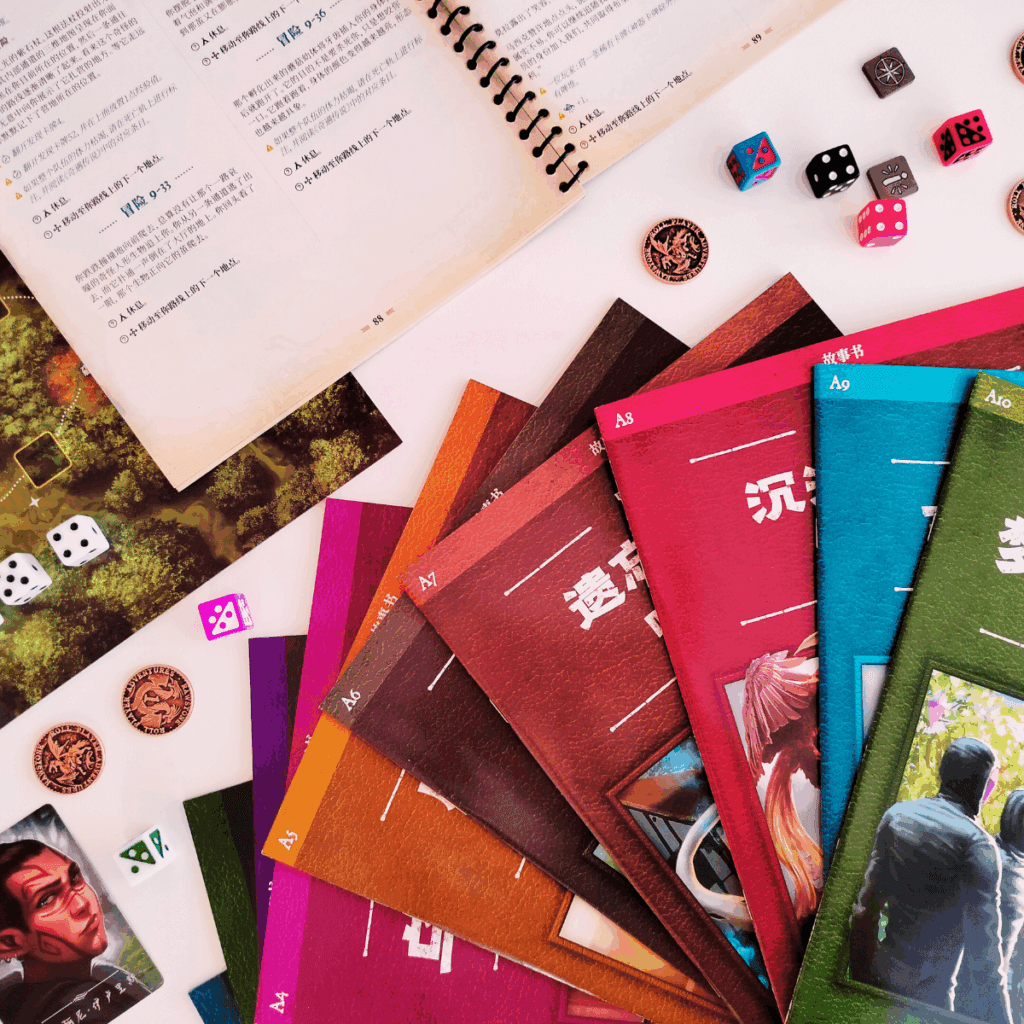
There is no universal formula when it comes to entering China. Some publishers prefer licensing for its simplicity. Others want more control and visibility. Many simply don’t know what the differences look like in practice.
Licensing your game to a local publisher can make sense if your team wants a hands-off solution. However, it often comes with limited creative control and lower margins. Co-publishing offers a more balanced approach, but demands coordination that smaller teams may struggle to maintain.
The third path — and the one Rawstone has developed specifically for indie studios — is direct localization and market entry supported by an integrated manufacturing and distribution network.
This approach allows publishers to stay at the center of the brand, maintain their quality standards, and benefit from China’s potential without being overwhelmed by its complexity. It also avoids fragmented suppliers, miscommunication, and the operational risks that frequently derail cross-border partnerships.
Manufacturing: Why Integration Eliminates the Biggest Risks
The moment you separate localization, manufacturing, and distribution across multiple partners, your risk increases exponentially. Files arrive in different formats. Quality control varies. Timelines slip. Communication becomes slow and stressful, especially for small teams already wearing multiple hats.
Rawstone’s strength lies in removing this fragmentation. By unifying prepress, production, localization, and shipping, we ensure that every step of the process reinforces the next. No duplicated work. No translation inconsistencies. No misaligned components. And with FSC-certified, plastic-free options, we help publishers strengthen not only their operations but their sustainability credentials as well.
This allows indie publishers to reach the Chinese market confidently, without the fear of expensive errors or communication breakdowns.
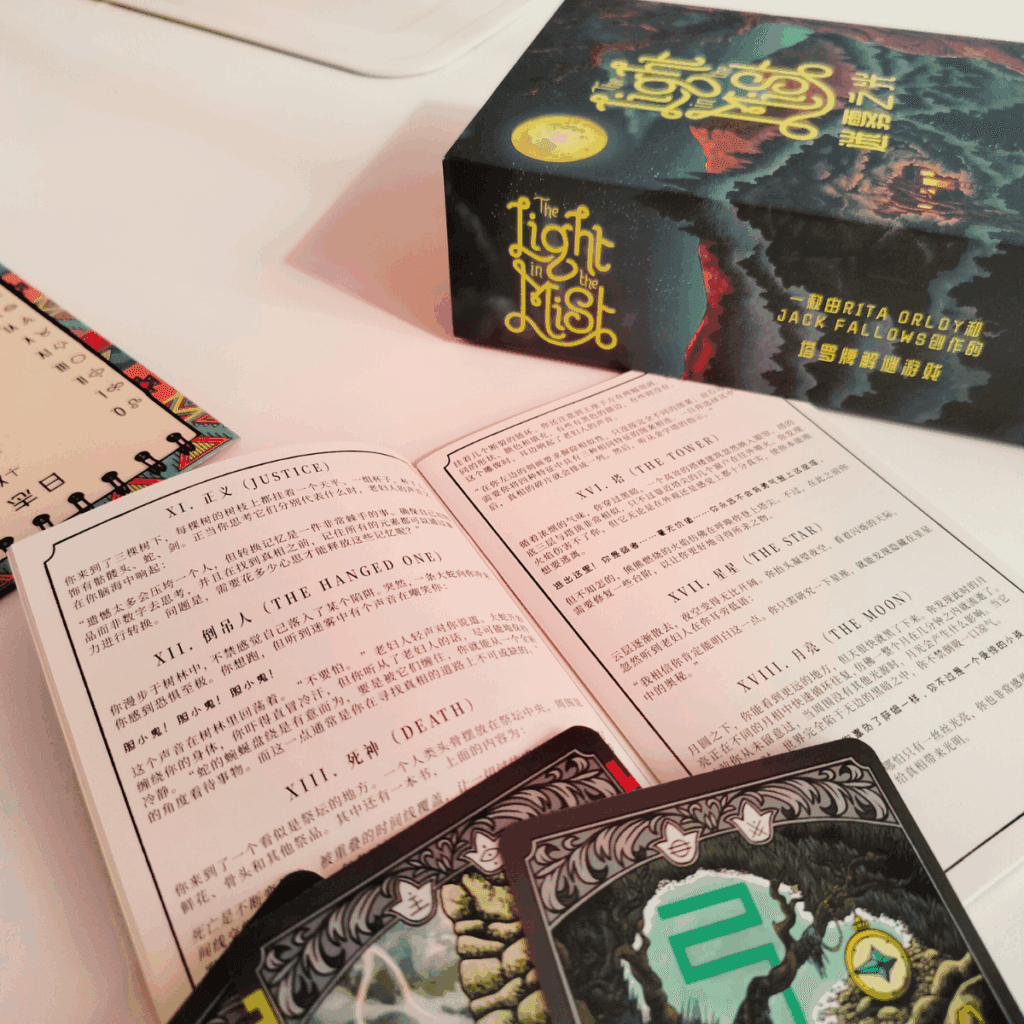
Understanding What Succeeds in China Today
Not every game is automatically a good fit for the Chinese market. However, several clear indicators help predict success:
- strong table presence or distinctive component design
- medium-weight strategic gameplay
- streamlined rules and fast setup
- replayability, modularity, or progression systems
- a compelling solo mode
- clean iconography and elegant visuals
Conversely, highly text-heavy games, sensitive cultural themes, or overly niche mechanics may require deeper adaptation before being suitable.
Rawstone helps publishers assess this objectively. We leverage market data, insights from 20,000+ backers, and on-the-ground experience from hundreds of Chinese releases to evaluate the realistic potential of each title — before any localization investment begins.
This minimizes risk and ensures publishers make informed decisions rather than optimistic leaps.
Crowdfunding & Distribution: A Market With Its Own Rhythm
The Chinese crowdfunding landscape has its own dynamics. Campaigns succeed through different visual priorities, narrative pacing, community engagement styles, and reward expectations. Western strategies rarely translate one-to-one.
Similarly, retail distribution depends heavily on local stores, board game cafés, influencer channels, and digital communities such as Xiaohongshu, Bilibili, and WeChat — all of which require tailored communication.
For indie publishers, accessing these channels independently is almost impossible. Rawstone acts as the bridge, enabling titles to enter the market through a network that is already established, tested, and aligned with player expectations.
A Sustainable, Structured Path Into China for Small Publishers
For many Western studios, China has always felt like a “big studio opportunity” — something reserved for companies with large teams or established international reach. But this is no longer the case. With the right partner, indie publishers can enter the Chinese market with clarity, structure, and significantly reduced operational risk.
Rawstone’s integrated approach — one-stop production, expert localization, sustainable materials, and a proven distribution network — was designed specifically for small teams who need reliability, transparency, and long-term growth.
If your game has performed well internationally, if you are planning a localized edition, or if you’re simply exploring new ways to scale sustainably, China can be a powerful next step.
And you don’t have to navigate it alone.
Stay in the Loop!
Want updates on market trends, sustainability best practices, and new manufacturing opportunities?
👉 Subscribe to our newsletter http://eepurl.com/g3LCXT
Get monthly insights, exclusive resources, and behind-the-scenes stories from our projects around the world.
you might also be interested...

How to Bring Board Games to China: Licensing, Localization, and Market Entry Strategies for Indie Publishers
Learn how to bring board games to China through expert localization, licensing strategy, and integrated manufacturing. A complete guide for...
> Read More
Board Games and Stress Relief | How Play Supports Wellbeing
Recent studies show that both board games and role-playing games can reduce stress, improve social connection, and support emotional wellbeing...
> Read More
What Matters Most in Board Game Manufacturing: Cost, Quality, or Sustainability?
Discover how board game publishers weigh cost, quality, and sustainability when choosing a manufacturer.
> Read More
From Worker Placement to Tile Placement: A Guide to the Most Popular Board Game Mechanics
Discover how to design sustainable board game packaging that’s eco-friendly, functional, and cost-effective!
> Read More